Understanding the psychology behind gambling why we play the odds
The Allure of Risk
Gambling appeals to many individuals primarily because of the thrill associated with taking risks. This risk-taking behavior is deeply rooted in human psychology. When we engage in gambling, our brain releases dopamine, the “feel-good” neurotransmitter, leading to feelings of pleasure and excitement. This biochemical reaction creates a positive feedback loop that can reinforce the desire to gamble. The prospect of winning big amplifies these feelings, drawing players back time and again. If you’re curious to explore more about gaming options, check out https://lizarocasinos.co.uk/ for a range of engaging experiences.

Moreover, the uncertainty inherent in gambling can enhance our emotional responses. Humans are naturally drawn to uncertainty as it creates a sense of suspense and anticipation. This phenomenon is often referred to as the ‘gamble effect’, where individuals feel more alive when they face potential losses and gains. The emotional rollercoaster associated with waiting for the outcome of a game often overshadows the rational considerations of risk, making gambling a compelling activity.
However, the psychological lure of risk doesn’t just end with the thrill; it can also be linked to broader social factors. Many people find themselves in gambling environments where social connections are fostered, such as casinos or online platforms. The camaraderie among players can further intensify the allure of gambling, as shared experiences create a sense of belonging and communal excitement. The combination of thrill and social engagement enhances the overall appeal of gambling.
The Role of Cognitive Biases
Cognitive biases play a significant role in the psychology of gambling. One of the most prevalent is the illusion of control, where individuals believe they have influence over the outcome of random events, such as dice rolls or card draws. This belief can lead players to feel empowered, reinforcing their decision to continue gambling despite potential losses. The idea that skill or strategy can impact luck is a powerful motivator for many, even in games predominantly based on chance.
The gambler’s fallacy is another cognitive bias that contributes to gambling behavior. This bias occurs when individuals believe that past events can influence future outcomes, leading them to make decisions based on superstitions or previous results. For example, a player may think that a slot machine is “due” for a payout after several rounds without a win. This erroneous thinking can perpetuate gambling behaviors, as players become convinced they are on the verge of a win, despite the statistical reality.
Furthermore, confirmation bias often shapes gambling decisions. Players tend to remember their wins and forget their losses, reinforcing a positive self-image as successful gamblers. This selective memory fuels the urge to gamble, as individuals focus on their perceived successes while dismissing evidence that contradicts their beliefs. This psychological phenomenon can lead to a cycle of repetitive gambling behavior, as players continually seek out validation of their skills.
The Escape Mechanism
For many individuals, gambling serves as a means of escape from everyday life. The distractions and stressors of modern living can weigh heavily on individuals, prompting them to seek solace in gambling. Engaging in gambling can provide a temporary reprieve from anxiety, depression, or personal challenges, creating a sanctuary where players can immerse themselves in excitement and hope. The adrenaline rush that comes from placing a bet can overshadow life’s difficulties, making gambling an appealing escape route.
Additionally, the immersive environments of casinos and online gaming platforms are designed to enhance this escape experience. The dazzling lights, upbeat music, and immediate gratification contribute to creating an atmosphere that distracts individuals from reality. This sensory overload can heighten the thrill of the game, further entrenching players in their quest for distraction and pleasure. The more engrossed they become, the more they may ignore the potential consequences of their actions.
This psychological reliance on gambling can lead to problematic behaviors, as individuals may turn to gambling as their primary coping mechanism. Over time, the initial thrill can morph into compulsive gambling, where the need to escape becomes more critical than the desire to win. Recognizing this transition is crucial for players who may find themselves entangled in an unhealthy relationship with gambling, as understanding the underlying motivations can pave the way for healthier choices.
Reward Systems and Their Impact
The reward system in the brain is a significant factor influencing gambling behavior. Each win or perceived success activates the brain’s reward circuitry, releasing neurotransmitters that create feelings of pleasure. This response is not just tied to actual winnings; even the anticipation of a win can stimulate these areas of the brain. As a result, players become conditioned to seek out these rewards, making gambling an enticing pursuit, even in the face of losses.
Furthermore, variable reinforcement schedules, commonly used in gambling games, keep players engaged. Unlike fixed rewards, which can lead to boredom, variable rewards deliver unpredictable outcomes, creating excitement and suspense. This unpredictability fosters a sense of hope, as players are driven by the possibility of a big win. The thrill of not knowing when the next payout will occur amplifies their desire to continue playing, making it challenging to break free from the cycle.
This powerful interplay between reward systems and gambling behavior underscores the complexities of human psychology. Understanding how these mechanisms operate can help players recognize the potential dangers of gambling. By being aware of how reward systems influence their choices, individuals can develop healthier attitudes towards gambling and make more informed decisions about their engagement with games of chance.
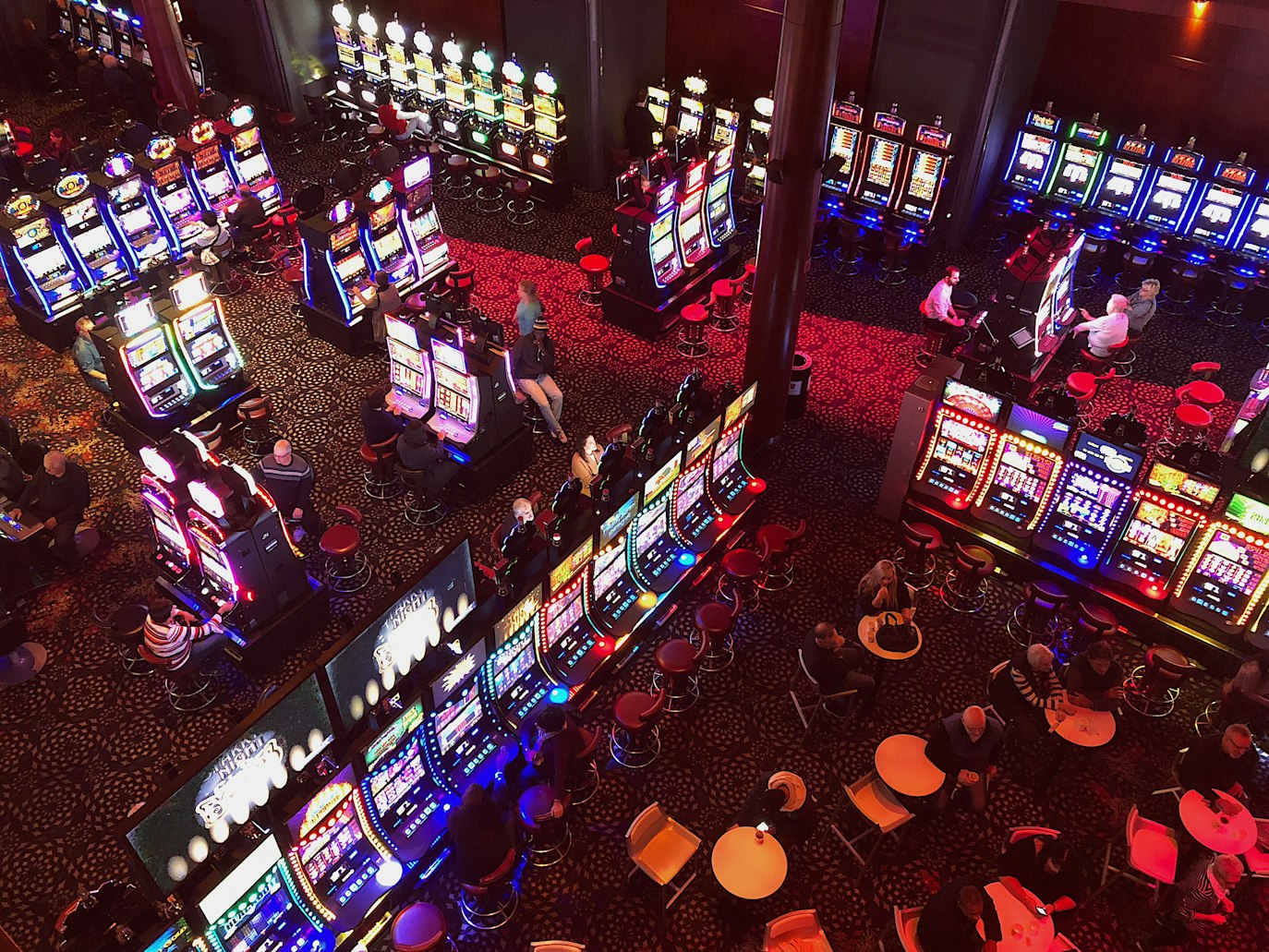
Experience Gaming at Lizaro Casino
At Lizaro Casino, players can immerse themselves in an exciting gaming experience designed to cater to diverse preferences. Featuring an extensive selection of top slots, instant games, and live casino options, Lizaro provides a platform that combines thrilling entertainment with user-friendly navigation. New players can take advantage of generous welcome bonuses, ensuring that their journey into the gaming world begins on an exciting note.
The casino’s commitment to providing a secure and enjoyable environment for all users is paramount. Lizaro Casino takes responsible gaming seriously, offering resources and support for players who may be grappling with their gaming habits. By fostering a culture of awareness and responsibility, Lizaro aims to ensure that the thrill of gaming is matched by a commitment to player well-being.
With weekly promotions and a vibrant online community, Lizaro Casino encourages players to engage in their gaming journeys with enthusiasm and responsibility. By understanding the psychology behind gambling, players can appreciate the excitement while remaining mindful of their choices. Lizaro Casino invites everyone to experience the thrill of gaming while promoting a balanced approach to entertainment.
Leave a Reply